
Exploring Round Clay Beads: A Comprehensive Guide


Intro
Round clay beads have long adorned the necks, wrists, and ears of people from various cultures around the globe. Their histories are steeped in rich traditions, each bead telling a story that stretches back through the ages. These beads are not just simple accessories; they represent a confluence of artistry, craftsmanship, and cultural significance.
The journey of clay beads begins with the earth itself, where natural materials like clay are sculpted and baked into forms that are both functional and beautiful. From ancient civilizations using them as currency and talismans to contemporary designers incorporating them into striking fashion statements, round clay beads have secured their place in the world of art and style.
As we explore the depths of these unique ornaments, it’s essential to understand the various facets they embody. This guide will sift through the layers of history, processes of creation, and the current movements within the realm of fashion that spotlight round clay beads, presenting a holistic view that aims to enrich the knowledge of designers, stylists, and trendsetters alike.
Foreword to Round Clay Beads
Round clay beads are more than just decorative objects; they carry a rich narrative that spans thousands of years. In this article, we will dig into various elements that outline their significance in art and fashion. These beads have, through the ages, served not only as ornamentation but also as symbols of cultural identity and personal expression. Understanding the role of round clay beads goes beyond the surface. It encompasses historical, cultural, and practical considerations, making them a fascinating topic for anyone involved in design and creativity.
The journey of clay beads starts with their materials. They are primarily composed of natural clay, a resource that has been molded and fired into beautiful shapes since ancient times. This longevity speaks to their durability and versatility. For designers and crafters, aligning with sustainable practices often leads to the choice of local, eco-friendly clays, which add unique characteristics to each bead.
Moreover, there are artistic advantages to using round clay beads. They can be shaped and painted in endless varieties, allowing for immense creativity in jewelry making and garment embellishments. Whether one opts for glazed, painted, or unadorned natural clay, the tactile sensation of clay combined with its visual appeal holds the capacity to captivate any audience.
Benefits and Considerations
When considering incorporating round clay beads into your designs, think about the following:
- Texture and Weight: Clay beads, while lightweight, provide a distinct texture that can enhance the overall aesthetics of a piece.
- Color: Their color can vary widely based on the finishing techniques used. This opens avenues for color theory applications in fashion design.
- Cultural Relevance: Understanding the cultural backstory of these beads is not just an academic query; it enriches design context and respects craftsmanship.
"The story of round clay beads is as layered as the cultures that created them. With every bead, there’s a touch of history waiting to be rediscovered."
In summary, round clay beads serve as a significant motif in both artistic expression and fashion. This introductory segment sets the stage for a deeper exploration of their history, types, manufacturing processes, and applications in contemporary designs. They are not merely accessories; they are storytellers connecting the realms of today with the traditions of yesterday.
The History of Clay Beads
Understanding the history of clay beads offers valuable insight into their evolution as cultural artifacts, artistic expressions, and contemporary fashion elements. Clay beads have roots deeply embedded in human civilization, stretching back thousands of years. Their creation and use reveal much about the peoples and cultures that embraced them, reflecting not only technological advancements but also social structures and belief systems.
Ancient Origins
Clay beads have been fashioned by hands of artisans since antiquity. The oldest known clay beads date back to around 25,000 B.C., showcasing their pivotal role in early human life. These ancient communities, whether through necessity or ingenuity, sought ways to adorn themselves and signify their identity.
Beads from this era were often rudimentary, shaped primarily by hand, and fired in simple kilns made from clay or stone. The true charm of these beads lies in their diversity; they showcase a range of colors, sizes, and shapes that were contingent upon the local clay and the techniques used. Archaeologists have discovered beads in gravesites, indicating their significance in burial rites and expressions of status or belief.
Both the Upper Paleolithic and Neolithic periods bear evidence of clay beads found throughout Europe, Africa, and Asia. Their widespread presence affirms that bead-making was not isolated to one culture but rather a universal practice, transcending geographical boundaries. The beads served myriad purposes—from adornment and trade items to talismans believed to possess protective properties.
Cultural Significance
The cultural significance of clay beads cannot be overstated. Each region that crafted these beads imbued them with unique meanings driven by the local beliefs and customs. For instance, in some African societies, beads were more than mere decorative items; they functioned as indicators of social status, age, or wealth. The use of specific colors and arrangements often conveyed messages, making beadwork a nuanced language unto itself.
Similarly, in ancient Mesopotamia, beads were integral to trade, serving as currency and status symbols among merchants and nobles. Designs varied widely, with some beads exhibiting intricate patterns that illustrated stories or deities. The connection between artistry and functionality goes back to these early forms—what we now consider fashion tied closely to culture and identity.
"Beads have a voice deep as history, echoing stories of the past, weaving tales of cultures long gone and yet so vivid in the remnants we behold today."
In contemporary contexts, clay beads continue to hold significance; they bridge past and present, often being used in art and fashion to celebrate heritage while also innovatively crafting new identities. Highlighting their lineage enriches the appreciation for these seemingly simple objects, illuminating their role as storytellers across generations.
Understanding the journey of round clay beads allows those in fashion, such as designers, stylists, or marketers, to appreciate not just the aesthetic value but also the depth of history and culture that these pieces symbolize. It's an intersection of art, identity, and history—where each bead has a tale woven into the fabric of our collective human experience.
Manufacturing Processes of Round Clay Beads
Understanding the manufacturing processes of round clay beads is crucial for anyone invested in jewelry design, fashion, or art. This section sheds light on how these small but impactful pieces are crafted and the artistry involved. The processes not only affect the aesthetics of the beads but also their durability and overall appeal. Knowing these methods can inspire designers and provide insights into choosing the right type for their projects.
Material Selection
The cornerstone of any well-made round clay bead begins with the material used. Typically, natural clay, which can be sourced from various locations, plays a significant role in the bead's quality. Some artisans prefer earthenware for its workability, while others lean towards stoneware for its strength.
When selecting materials, one must consider factors like texture, color, and the finished appearance after firing. The right clay can also allow for intricate designs, making the selection process not just about practicality but also about potential artistry.
"Choosing the correct clay is often a balance between artistic intent and functional durability."
Shaping Techniques
Once the material is selected, the next step is shaping. Common techniques include hand-rolling, molding, and using a potter's wheel. Hand-rolling is quite popular among crafters, offering a personal touch with each bead that isn't easily replicated by machines. This approach can yield unique shapes and sizes, allowing for creative freedom.
In contrast, molding can produce uniform beads, which is desirable for mass production. For higher volumes, certain artisans may utilize both techniques to achieve a balance between craftsmanship and efficiency. Understanding these processes can be invaluable to anyone looking to create distinctive bead designs.
Firing Methods
Firing is a critical phase in the creation of clay beads. Once shaped, the beads must be dried and then subjected to high temperatures in a kiln. The firing process transforms the raw clay into durable beads, hardening them and allowing for glazing or painting afterward.
The temperature and duration of firing will affect not only the strength of the beads but also their color and finish. Some beads are fired multiple times to achieve a layered aesthetic, while others may undergo a low-temperature firing to maintain a more delicate appearance. Each variation in firing can lead to fascinating results, making it an essential step for designers to master.
Finishing Processes
Finally, the finishing processes bring the beads to life. This stage can include glazing, painting, or even adding embellishments. While some designers prefer the raw look of unglazed beads, others opt for vibrant glazes to enhance visual appeal. Each finish can tell its own story, from earthy tones that signify a connection to nature to vibrant colors that make a bold statement.
In essence, finishing is about creating a cohesive look that aligns with your design vision. Whether it’s a minimalist approach or something more extravagant, the final touches often determine a bead's market appeal and artistic value.
Types of Round Clay Beads
Understanding the types of round clay beads is crucial for anyone involved in the fashion and art scenes. Each variant offers distinct characteristics, which can significantly impact design choices, aesthetic preferences, and overall utility in crafting. Knowing these distinctions can elevate the work of fashion designers, stylists, and artists, allowing them to choose the right material for their creative expression.
Natural Clay Beads
Natural clay beads are prized for their organic appeal and unique textures. These beads are typically made from unprocessed, raw clay materials. As a result, each bead carries variations in hue and finish, giving a distinctive charm that is hard to replicate. When creators leverage natural clay, they embrace a rustic aesthetic that often resonates with themes of simplicity and authenticity.
Natural clay beads often convey a sense of groundedness and connection to the earth, making them a favored choice among eco-conscious consumers.
Benefits
- Eco-Friendly: Since they are made from natural resources, they are biodegradable and don’t contribute to environmental degradation.
- Unique Variations: No two beads are identical, allowing for personalized designs.
- Versatility: These beads can be used in various jewelry styles, from bohemian to minimalist.
Considerations
While the appeal is strong, there are some factors to keep in mind:
- Durability: Natural clay beads can be more fragile than their glazed counterparts, hence require careful handling.
- Finishing: They often need additional treatment, like sealing, to prevent wear and tear.
Glazed Clay Beads
Glazed clay beads bring a polished shine to the round bead family. Unlike natural beads, these are coated with a glossy layer that often accentuates color vibrancy. The glazing process not only enhances aesthetic appeal but also provides a level of durability that natural beads may lack.
Benefits
- Aesthetic Appeal: The shine and bright colors make these beads eye-catching, often sought in costume jewelry.
- Improved Durability: Less porous than natural beads, they resist staining and are easier to clean.
- Design Versatility: Available in countless shapes, colors, and patterns, glazed beads open up endless design opportunities.
Considerations
On the flip side, the glazing process can have some drawbacks:
- Chemical Usage: Some glazes involve materials that may not be environmentally friendly, so choosing sustainable options is crucial.
- Cost: The added manufacturing steps may reflect in a higher price point compared to natural beads.
Painted and Decorated Beads
The painted and decorated round clay beads offer a wonderful arena for artistic expression. Artists utilize paint and embellishments to breathe life into these beads, creating intricate patterns, motifs, and personalized designs. This type of bead serves as a canvas that can reflect cultural narratives or individual creativity.
Benefits
- Personalization: These beads offer a blank slate for artistic minds, encouraging originality and personal style.
- Cultural Expression: Many are created to represent specific cultural symbols or stories, adding depth to their use.
- Color Variety: The limitless color options enable creators to match their artistic vision precisely.
Considerations
However, there are important aspects to consider:
- Durability of Paint: Painted designs can chip or fade over time, especially if used in high-wear applications.
- Maintenance: They might require special care to avoid damage to the decorative elements.
In summary, each type of round clay bead holds its own significance in both practical and creative terms. The selection of bead type not only impacts the aesthetic and durability of the final product but also conveys deeper messages within the cultural context. For those in the fashion industry, understanding these differences facilitates informed decisions that elevate the quality and intention of their designs.
Applications in Fashion
The charm of round clay beads goes beyond their mere aesthetic appeal. In the realm of fashion, these beads play a vital role, adding personality and character to various creations. Their versatility makes them a favorite among fashion designers and artisans alike, who seek to incorporate unique elements into their work. Understanding how these beads are used can elevate your own design projects and enhance your connection to the art of jewelry and apparel.
Jewelry Design
Jewelry design is often seen as a vibrant expression of individual style, and round clay beads fit snugly into this narrative. From earrings to necklaces, these beads can serve as the focal point or subtle accents, depending on the vision of the designer. They offer an array of potential combinations, as their colors, textures, and finishes are almost limitless.
- Customization: The ability to create custom pieces is a strong point for jewelry makers. Clay beads can be easily shaped and painted, allowing artists to reflect personal motifs, cultural symbols, or even seasonal themes.
- Eco-friendly Options: With the growing emphasis on sustainability in fashion, round clay beads made from natural materials stand out. They not only reduce reliance on synthetic materials but also appeal to a conscious consumer base that values ethical sourcing.
- Trendy Combinations: Designers frequently pair these beads with metals, wood, or other materials to create striking contrasts. This versatility lends itself to various styles, from bohemian chic to modern minimalist.
"Incorporating clay beads into jewelry design isn't just about aesthetics; it's about storytelling through art."
Garment Embellishments
Garment embellishments have long served as a way to elevate simple fabrics into eye-catching statements. Round clay beads make for excellent embellishing materials, whether by adorning the hem of a dress or as central features on a tunic. The incorporation of these beads allows for tactile and visual interest, enhancing the overall garment design.
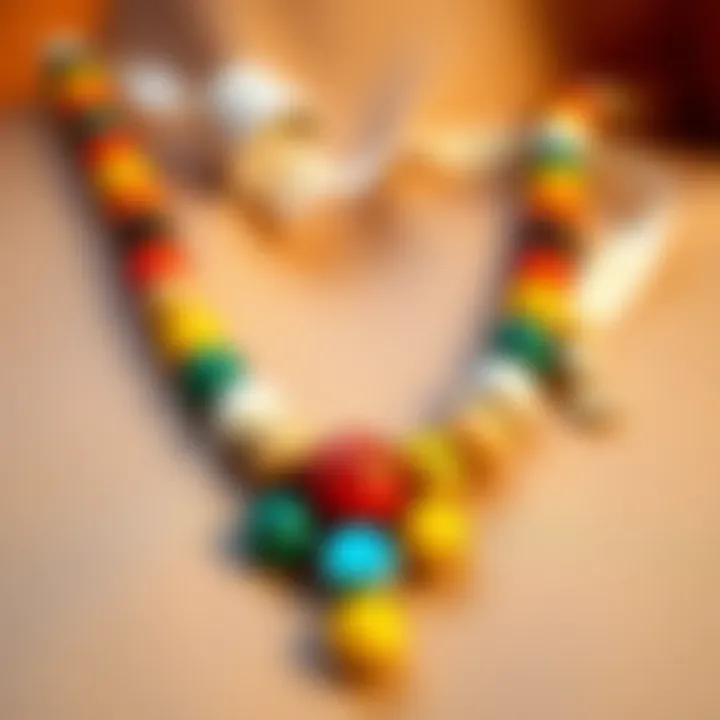
- Crafting Unique Textures: Adding clay beads on clothing can create a distinctive three-dimensional effect. They can be sewn onto fabric in patterns or even used to create fringe-like designs that move with the wearer.
- Cultural References: Often, different cultures utilize beadwork in traditional dress, adding historical and cultural significance to modern fashion. This helps to bridge the gap between contemporary design and cultural heritage.
- Fashion Statements: Beads can transform a simple design into something memorable, making statements about the wearer's individuality and style preferences. Designers are increasingly using beads to reinterpret classic styles, positioning them at the forefront of modern fashion.
Accessory Creation
Accessorizing is where round clay beads truly shine. They can be integrated into a variety of accessories, from bags to belts, making them essential to the seamless combination of function and form.
- Versatility in Applications: Round clay beads are not restricted to jewelry alone; they can embellish bags, headbands, and even footwear. This multipurpose nature empowers creators to flex their artistic muscles in new ways.
- Trend-Driven designs: The current trend of DIY fashion and accessories benefits greatly from the use of these beads. Consumers seeking to personalize their items are turning to round clay beads to achieve that bespoke quality.
- Adapting to Various Styles: Whether it’s a rugged leather bag adorned with colorful beads or a sleek belt integrated with clay accessories, these beads adapt well to various styles. This flexibility allows designers to experiment and push creative boundaries.
In summary, the applications of round clay beads in fashion are as diverse as the beads themselves. By understanding their uses in jewelry design, garment embellishments, and accessory creation, fashion professionals can significantly enhance their work, creating pieces that resonate with both individual identities and cultural narratives. Incorporating these beads is not just about beauty; it's about making connections—be it to history, culture, or personal stories.
Cultural Impact and Symbolism
The importance of cultural impact and symbolism in the realm of round clay beads cannot be overstated. These beads serve not only as decorative items but also as vessels of meaning that transcend time and geography. By examining how various cultures interpret these simple objects, we unveil the layers of significance embedded in their designs and applications. This narrative is particularly relevant for fashion designers, retail managers, and stylists who seek deeper connections to the products they curate.
Symbolic Meanings in Different Cultures
Round clay beads have rich symbolism across a multitude of cultures. The meanings assigned to these beads can vary tremendously, reflecting the social, spiritual, and artistic inclinations of societies.
- Africa: In many African traditions, beads signify status and identity. Colors and patterns can represent different tribes or clans. For instance, the Maasai people of Kenya use red clay beads to express bravery and courage.
- Asia: In India, clay beads are often used in religious practices. They are thought to carry blessings and are frequently incorporated into prayer necklaces. Their colors can symbolize different deities and spiritual journeys.
- The Americas: Indigenous tribes use clay beads to tell stories of their ancestry and connection to the land. Each bead may represent an emblematic aspect of their culture, linking the past with the present in tribal ceremonies.
Such meanings not only provide depth to the aesthetic of clothing and accessories but also contribute to a narrative that is rich in history and cultural lore.
Role in Traditional Practices
The role of round clay beads in traditional practices further illustrates their cultural impact. From weddings to rituals, these beads bear witness to significant life events.
- Ceremonial Uses: In various cultures, clay beads are a staple in ceremonies. They adorn individuals during rites of passage, like coming-of-age festivals or weddings, where they symbolize fertility and prosperity.
- Healing and Spirituality: Many cultures create specific beadwork as talismans for healing. They use distinct colors and patterns to channel positive energy and ward off negativity. This application illuminates the bead's role in bridging material beauty with spiritual intent.
- Artisan Craftsmanship: The crafting of these beads is also a traditional skill passed down through generations. Communities often gather to create these beads collectively, enhancing bonds and preserving shared heritage.
"Clay beads are not merely accessories; they are the keepers of our stories—woven into the very fabric of our societies."
By understanding the cultural impact and symbolism of round clay beads, we gain more than just insight into their decorative value. We tap into a wellspring of meaning, revealing how these small artifacts continue to influence contemporary designs and practices in the fashion industry.
Sustainability Considerations
In the realm of fashion and craft, sustainability has transitioned from a niche concern to a central pillar of thoughtful design. Round clay beads, with their historical depth and aesthetic versatility, present an opportunity to explore sustainable practices that resonate with modern sensibilities. The significance of sustainability in crafting these beads emerges not just from a desire to protect the planet, but also from the recognition of craftsmanship as an art form that honors both tradition and innovation.
One crucial aspect to consider is the use of eco-friendly materials. By opting for natural clays, which can be sourced from local areas, artisans can significantly reduce the carbon footprint associated with transportation. Beyond minimizing environmental impact, employing local materials fosters a connection between the creator and their community, often resulting in unique blends that reflect regional characteristics. This alignment with nature not only speaks volumes about the maker’s commitment to sustainability but also narrates a story that can enhance the bead's appeal.
Eco-Friendly Materials
When delving into the world of round clay beads, it becomes critical to examine the types of materials used. Eco-friendly materials encompass organic clays free from synthetic additives, as well as natural dyes derived from plants or minerals. These sustainable choices serve multiple purposes. For one, they prevent harmful chemicals from entering ecosystems and reduce health risks for artisans and consumers alike. Moreover, using such materials resonates with conscious consumers, who are increasingly searching for products that align with their values.
Here’s a quick rundown of some recommended eco-friendly materials:
- Natural clay: Clay from local deposits that is minimally processed.
- Plant-based dyes: Dyes sourced from fruits, vegetables, and flowers that add vibrant colors without ecological harm.
- Recycled materials: Incorporating clay scraps or using abrasive materials from previous projects can optimize resources and minimize waste.
"Choosing eco-friendly materials is not just a trend; it reflects a commitment to a more sustainable future."
Adopting these materials can not only enhance the aesthetic quality of clay beads but also promote responsible consumption practices among designers and consumers.
Sustainable Crafting Techniques
The crafting techniques employed in the creation of round clay beads also play a pivotal role in sustainability. By utilizing methods that require less energy and water, artisans can significantly lessen their environmental impact. For instance, air-drying beads instead of firing them in energy-intensive kilns greatly reduces energy consumption. Moreover, incorporating hand-building techniques rather than mass production via machinery encourages individuality and artistry in each bead created, which resonates with collectors and fashion-forward individuals.
Furthermore, the prioritization of sustainable craftsmanship often yields distinctive results. Artisans can adopt:
- Low-temperature firing: Utilizing kilns capable of operating at lower temperatures reduces energy requirements.
- Hand-shaping beads: This artisanal approach ensures each bead carries unique characteristics while minimizing reliance on machinery.
- Waste management practices: Reusing scraps and embracing upcycling can reduce the overall waste generated during the crafting process.
In summary, the embrace of sustainability within the production of round clay beads is not merely an ethical obligation – it embodies a holistic approach to creativity. By integrating eco-friendly materials and sustainable crafting techniques, artisans can create beautiful, meaningful work that speaks to both tradition and a conscientious future.
Trends in Contemporary Fashion
The evolving world of fashion is a tapestry woven with innovation, tradition, and individual expression. Round clay beads play an integral role in this creative journey, influencing styles that resonate with today's aesthetic sensibilities. The importance of understanding these trends is not merely academic; it's a golden opportunity for designers, retailers, and stylists to harness the cultural and artistic value that these beads bring to the table.
Fashion has increasingly shifted towards sustainability and personal expression, and round clay beads epitomize these movements. They are versatile and can be found adorning anything from statement necklaces to minimalistic bracelets. The resurgence of interest in artisanal and handcrafted items has made these beads not just accessories but symbols of individuality and authenticity. As consumers look for unique pieces that tell a story, round clay beads stand out, turning fashion into a canvas of self-expression.
Current Design Influences
Contemporary design influences are as diverse as the cultures that inspire them. Today, many designers draw on a rich palette of historic motifs, reflecting a desire to bridge the past with the present. The integration of round clay beads into modern designs showcases this connection, allowing traditional craftsmanship to find new life.
- Bohemian Aesthetics: The boho style thrives on natural materials, with round clay beads enhancing its authenticity. Designers often use these beads in their garments and accessories, creating pieces that resonate with a laid-back, earthy spirit.
- Eclectic Mixing: Another trend is the mixing of various materials. Round clay beads appear alongside metals, leather, and textiles to create unique juxtapositions. This innovative fusion reflects an era where rules no longer apply, allowing for freedom of expression in design.
- Cultural Resurgence: A growing appreciation for cultural narratives is evident with round clay beads. Designers are increasingly drawing inspiration from indigenous and ancient cultures, reinforcing a connection to their roots. This trend involves using traditional colors, patterns, and shapes in a contemporary context, offering a fresh take on timeless designs.


As the design landscape shifts, it becomes clear that round clay beads can't be overlooked. These beads often whisper stories of generations past, tying modern garments to rich legacies.
Future Directions for Clay Beads
Looking ahead, the future of round clay beads seems promising. With technology and craftsmanship evolving, new possibilities emerge that could redefine their role in fashion.
- Sustainable Innovations: As sustainability moves from a trend to a necessity, it's crucial that the future of clay beads continues to embrace eco-friendly practices. Expect innovations in sourcing materials and crafting techniques, ultimately making the production of these beads kinder to our planet.
- Smart Design Integration: We may also see the harmonization of technology with clay craftsmanship. Imagine round clay beads embedded with smart functions, like health tracking or even communication capabilities. This fusion will certainly bring functional beauty to a different level.
- Global Collaborations: The world has become a small village. Designers from diverse backgrounds are likely to collaborate, blending styles and techniques from different cultures. This will not only expand the aesthetic of clay beads but also enrich their meaningful narrative within fashion.
In finding the balance between innovation and tradition, the future of round clay beads is wide open. Designers and creatives will lead the charge, ensuring these beads continue to carry stories, appeal to modern aesthetics, and remain relevant in the realms of fashion and functional art.
"In fashion, the journey of clay beads reflects a deeper truth: it's not just about what we wear, but the stories we choose to tell through our choices."
Embracing these developments elevates the conversation around round clay beads, presenting an exciting frontier for those involved in the fashion industry. As we adapt to changing tastes and technologies, the enduring charm of these beads promises to engage and inspire, blurring the lines between history and contemporary style.
Maintenance and Care
Keeping round clay beads in tip-top shape is essential not just for their durability but also for maintaining their aesthetic appeal. As these beads often adorn jewelry and garments, regular upkeep helps to preserve both their appearance and the integrity of the pieces they're a part of. If you treat these beads with care, they can last for years, becoming timeless accessories instead of mere fleeting trends. In the following sections, we’ll unpack effective cleaning techniques and smart storage tips that will serve all who handle these magical little orbs.
Cleaning Techniques
When it comes to cleaning round clay beads, simplicity often goes a long way. Many people might think that throwing them in a washing machine or soaking them in harsh chemicals is the way to go, but that can spell disaster. Here are some practical techniques that help maintain their beauty:
- Gentle Hand Washing: Use a small bowl of lukewarm, soapy water. A mild dish soap works wonders—just a drop or two should do the trick. Gently swish the beads in the water with a soft cloth or sponge. Don’t forget to rinse them thoroughly with clean water afterward.
- Avoiding Abrasives: Steer clear of scrub brushes or any abrasive materials. The goal is to maintain the smooth surface of the clay. A soft microfiber cloth is all you need to wipe off dirt.
- Disinfecting: For beads that might come into contact with skin oils or perfumes, a mix of vinegar and water can act as a natural disinfectant. Using equal parts vinegar and water, swipe the beads with a soft cloth. It's a quick and effective solution.
- Drying Properly: After washing, let the beads air-dry on a clean towel. Avoid direct sunlight, as it can cause fading or cracking over time.
"Regular cleaning not only preserves the color and texture of clay beads but also ensures they remain safe for wear, particularly for those with sensitive skin."
Storage Tips
Storage is just as important as cleaning when it comes to maintaining your round clay beads. Improper storage can lead to scratches, chips, or even accidents like losing individual beads. Here are some thoughtful tips that are both practical and easy to implement:
- Individual Containers: Think mini jewelry boxes or small ziplock bags for each piece or strand. This keeps them separated and minimizes the risk of scratching against each other.
- Avoiding Heat and Humidity: Store your beads in a cool, dry place. Clay can be sensitive to extreme temperatures and moisture, which might lead to warping or mold. A simple closet can serve as a perfect spot if it's not directly exposed to heat.
- Organizational Buckets: For those with a larger collection, consider using clear bins or containers. Label them according to the size, color, or style to make finding the right bead a breeze.
- Display with Care: If you display your beads, consider using shadow boxes or display cases. They not only protect your beads but also turn them into art pieces.
Every bead tells a story, and with the right maintenance and care, those stories can unfold beautifully over time.
Educational Resources and Workshops
Understanding the intricacies of round clay beads requires more than just glossing over their beautiful surfaces. Diving into the world of these handcrafted ornaments opens up pathways to not only appreciate their aesthetic value but to grasp the craftsmanship behind their creation. This section explores the significance of educational resources and workshops dedicated to round clay beads, highlighting their immense potential for both personal and professional growth within the fashion industry.
The demand for knowledge on clay bead crafting is on the rise as more designers, artists, and enthusiasts look to incorporate these versatile pieces into their work. One of the most effective ways to enhance one's skills is through structured learning environments such as workshops and courses. These settings provide not only hands-on experiences but also opportunities for networking and collaboration with other artists. Here are some vital elements to consider:
- Skill Development: Workshops often cater to a range of skill levels, from beginners eager to learn the basics to experienced craftsmen looking to refine their techniques. The environment fosters a culture of learning and experimentation, making it ideal for anyone interested in clay bead artistry.
- Instructor Expertise: Many workshops are led by seasoned artists who bring a wealth of experience and unique perspectives. Learners gain invaluable insights, tips, and advice that can't be found in books or online tutorials.
- Material Familiarization: Engaging with clay beads in a workshop allows participants to explore different materials and their characteristics. Understanding various types of clay, finishes, and tools is essential for anyone looking to create distinct and high-quality beads.
The setting of a workshop encourages creativity while providing a supportive community for those looking to express their artistic inclinations. It's a space where ideas can blossom, and trends can be born.
Community Classes
Community classes focusing on round clay bead creation are appearing in cities and towns worldwide. These classes serve as a platform for local artisans and hobbyists to gather, share knowledge, and grow their skills in an encouraging environment. Community classes often champion inclusivity, ensuring that participants from diverse backgrounds can join without feeling overwhelmed.
- Accessibility: Typically, community classes are more affordable than private lessons, making them accessible to a broader audience. The goal is to share the love for crafting rather than commercial profit, which fosters a welcoming atmosphere.
- Networking Opportunities: Attending local classes allows individuals to connect with like-minded peers who share a passion for bead making. This camaraderie can lead to collaborations, friendships, or even the formation of local crafting groups that extend beyond the classroom.
In a community class, hands-on practice is paired with collaborative learning. Participants can exchange ideas, learn from one another's mistakes, and celebrate each other's successes.
Online Tutorials
With the rise of digital platforms, online tutorials have emerged as a flexible and effective way to learn about round clay beads. This mode of learning caters to various styles and paces, allowing users to absorb information at their convenience.
The online space offers extensive resources ranging from videos, courses, and blogs dedicated to clay bead artisanship. Here’s what makes them valuable:
- Variety of Perspectives: Online tutorials often feature multiple instructors from different backgrounds, giving viewers a more rounded understanding of techniques, styles, and approaches to bead making.
- Flexibility: With nearly every tutorial available at the click of a button, learners can revisit complex techniques or skip ahead as needed. This self-paced learning model is attractive to those balancing other commitments.
- Community Feedback: Many online platforms, such as Reddit and Facebook groups, provide spaces for learners to share their creations, receive feedback, and participate in discussions about clay bead crafting.
Embracing the resources available in community classes and online tutorials empowers fashion designers, retail managers, stylists, and bloggers to deepen their understanding of round clay beads. The journey from education to application is what transforms mere interest into mastery, ultimately intertwining personal expression with professional expertise.
Culmination
In wrapping up our exploration of round clay beads, it’s clear that these simple yet profound elements have carved out a niche in art, fashion, and history. Their journey from ancient artifacts to contemporary accessories illustrates a blend of tradition and innovation. Each round clay bead carries with it a tale of craftsmanship, culture, and creativity.
One of the key elements highlighted throughout the article is the cultural significance of clay beads. They serve not just as adornments but as symbols of identity across varied cultures. For instance, in certain regions, specific colors or designs can denote social status or community ties. Understanding this context is invaluable for designers and marketers alike, who seek to create resonant works that honor these histories while appealing to modern sensibilities.
The manufacturing techniques discussed show a juxtaposition of ancient methods with modern advancements, emphasizing sustainability. An appreciation for eco-friendly practices can help creators not only reduce their environmental footprint but also draw in a clientele that values ethical consumption. This aligns well with current trends, where consumers are increasingly aware of the origins of the products they purchase.
From a functional standpoint, maintenance and care of round clay beads are paramount for longevity. The cleaning methods detailed help ensure the beads resist damage while retaining their aesthetic appeal. For fashion designers and stylists, advising clients on the proper care can enhance customer satisfaction and turn one-time buyers into loyal patrons.
Moreover, the integration of these beads in contemporary fashion trends serves as a reminder that the simplest items can elevate a design. The versatility of these beads, from necklaces to garment accents, shows how they can adapt to various styles — be it bohemian chic or minimalist elegance.
By engaging with the themes of this article, readers are equipped with a broader perspective of round clay beads that goes beyond their physical form. For those in fashion design, retail, or artisan crafts, it opens avenues for innovation while fostering respect for the roots of this craft. It’s not just about crafting jewelry but weaving stories, preserving histories, and embracing sustainability.
"Every bead tells a story—be it of the earth it came from, the hands that shaped it, or the style it complements."
In essence, as we navigate the future of fashion and personal adornment, the humble round clay bead stands as a testament to the power of art in merging beauty with narrative. Engaging with their history and potential can undoubtedly enrich personal style and artistic expression.