Beginner's Guide to Choosing Ballroom Dance Shoes


Intro
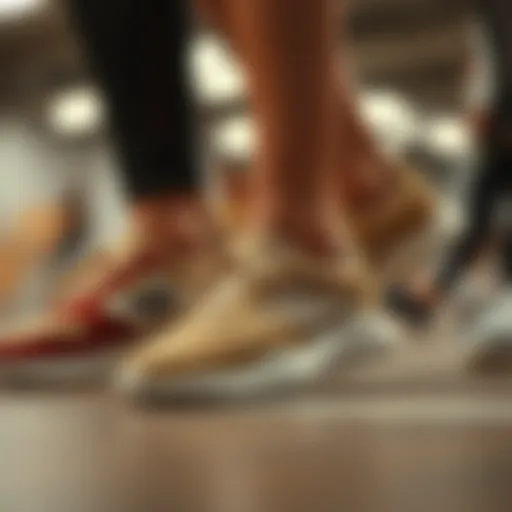
Choosing the right shoes for ballroom dancing can feel a lot like picking the perfect partner for a dance: it has to be the right fit. Especially for beginners, selecting the appropriate ballroom dance shoes is crucial not just for comfort but also for enhancing performance on the dance floor. With so many options available, from materials to styles, it can become overwhelming. The journey towards finding the perfect pair is about understanding what will work best for you, given your unique style and needs.
In this comprehensive guide, we will dive into the essential attributes of beginner ballroom dance shoes, dissecting every component, from the type of shoes best suited for different dances to vital features that offer support and flexibility. We’ll explore practical tips on how to choose the ideal shoes, along with maintenance advice to extend their lifespan. If you are just taking your first steps into the world of ballroom dancing, this read can shed light on what to look for and why it matters.
Components of Beginner Ballroom Dance Shoes
Understanding the elements that make up ballroom dance shoes is the first step. These shoes are not mere footwear; they are instruments that can elevate your dancing. Here are some crucial components to ponder:
- Sole Type: The sole is typically suede, which allows dancers to glide smoothly across the floor while providing just enough grip. A good fit is important here.
- Heel Height: Beginners often benefit from a lower heel, as it provides more stability while learning!
- Material Quality: Leather is a popular choice because it molds to the foot over time, ensuring both comfort and durability.
- Strap Styles: Ankle straps can add support but may feel restrictive for some. It's about finding balance.
"Proper footwear can make or break the experience on the dance floor. A comfortable fit allows focus on the moves, not the discomfort."
Key Features to Consider
As you inch closer to making a decision, contemplate these elements:
- Cushioning: A lightly padded insole can provide comfort for long hours of dancing. Look for specific cushioning materials designed for shock absorption.
- Arch Support: Good arch support can alleviate strain, especially for those who may have flat feet or high arches. It’s a game-changer, really.
- Size Variability: Ensure that you try on several sizes, as different brands may have varying fits. Often, sizing can differ from regular shoes.
Choosing the Right Pair
Taking the leap can be daunting. Here are some pointers:
- Try On Several Pairs: Never settle for the first pair you see. Walk around and test flexibility while trying them on.
- Seek Expert Guidance: Many dance studios offer guidance in shoe selection, consulting instructors can help narrow down choices.
- Consider the Dance Style: Not all dances require the same type of shoes. Research whether you're likely to lean towards the smoother styles like waltz or the sharper ones like tango.
Maintenance Tips
Once you've procured the perfect pair, maintaining them is essential:
- Cleaning: Regularly clean suede soles with a brush designed for this purpose to remove debris, ensuring longevity.
- Storage: Keep shoes in a separate bag and out of direct sunlight, which can damage materials over time.
- Conditioning: Use a conditioner on leather to keep it supple and prevent cracking.
Epilogue
In summary, finding the right beginner ballroom dance shoes is an endeavor that requires time, thought, and sometimes a bit of trial and error. By understanding core components, focusing on essential features, and embracing a few maintenance tips, new dancers can ensure a positive experience as they step onto the dance floor. This guide aims to empower you with the knowledge you need to make an informed choice, setting the stage for countless dances ahead.
For more insights into ballroom dance styles and equipment, consider checking out resources like Dance Magazine, Dance Informa, or for community discussions, Reddit's r/Dance sub.
Intro to Ballroom Dance Shoes
Choosing the right ballroom dance shoes is no small feat, especially for beginners who might feel overwhelmed by the myriad of options available. While the glitz and glamour of the dance floor may capture one's attention, the foundation of any good dancer's performance rests upon their footwear. The right pair of shoes not only enhances a dancer's grace but also supports functionality, ensuring safety while executing intricate moves.
There is an age-old saying that you can't dance without the right shoes. And it's not merely a whimsical phrase; it rings loudly true in the world of ballroom dancing. Proper shoes can make all the difference between a smooth tango glide and a fumbled misstep. Understanding the nuances of ballroom dance shoes can profoundly impact the quality of one's dancing experience.
Importance of Selecting the Right Shoes
When embarking on your ballroom dancing journey, the selection of appropriate footwear emerges as a pivotal element. Not only do the right shoes look the part but they also serve a practical purpose. They are designed with specialized features that cater to the diverse styles within the ballroom dance realm.
- Enhanced Performance: Quality shoes can contribute to better footwork and precision on the dance floor. Specific designs and fabrics improve grip and slide, essential attributes for different dance styles.
- Safety and Injury Prevention: Wearing shoes that fit well and provide adequate support reduces the risk of injuries. A misfit shoe might result in twisted ankles or blisters, which can derail a dancer's progress.
- Comfort and Longevity: Good shoes alleviate discomfort during long practice sessions or performances. When feet are happy, dancers can focus on technique instead of pain.
Given these factors, investing time in selecting the right pair becomes not just essential but a game-changer for those beginning their ballroom journey.
Overview of Ballroom Dance Styles
Ballroom dancing encompasses various styles, each requiring specific shoe designs to maximize performance. A brief overview highlights the distinctive characteristics of these styles:
- Waltz: This smooth and flowing dance demands shoes that allow for seamless movement across the floor. Shoes designed for this style often come with a broader toe box for comfort.
- Tango: Emphasizing sharp movements and dramatic poses, tango shoes are typically more fitted, featuring a higher heel. This design facilitates quick pivoting.
- Cha-Cha: A lively and rhythmic dance needing flexibility and response, cha-cha shoes usually have a softer sole, enabling quick footwork and snap actions.
- Foxtrot: Similar to the waltz but faster, foxtrot shoes offer the needed support for both glide and quick steps while maintaining elegance.
This overview is crucial because understanding the dance style can significantly influence the shoe choice. By selecting shoes tailored to the style, beginners position themselves for a more enjoyable and successful dancing experience on the floor.


Types of Beginner Ballroom Dance Shoes
When embarking on the journey of ballroom dancing, the choice of footwear is paramount. Each style of dance has its own specific requirements that can be met with the right type of dance shoe. For beginners, understanding the distinctions between the various types of ballroom dance shoes is not just beneficial—it’s essential for both performance and comfort.
Choosing the right shoe can make or break your experience on the dance floor. If your shoes fit like a glove, you’re more likely to feel confident while dancing. Conversely, poorly chosen shoes can lead to discomfort and even injuries. Let's take a closer look at the three main types of beginner ballroom dance shoes: Standard Dance Shoes, Latin Dance Shoes, and Practice Shoes.
Standard Dance Shoes
Standard dance shoes, often characterized by their closed-toe design and moderate heel height, are ideal for styles such as waltz, tango, and foxtrot. Typically, these shoes are made from soft leather or suede, providing both flexibility and support. The sole is usually constructed from suede for improved grip against the dance floor, ensuring stability with each step.
One key feature of standard shoes is their heel height, which generally ranges from 1 to 2 inches—ideal for maintaining balance and posture during elegant movements. For beginners focusing on technique, this type of shoe helps to develop a solid foundation, allowing dancers to learn the nuances of footwork without being hindered by poor traction or ankle support.
Benefits of Standard Dance Shoes:
- Comfort: Often more cushioned than other styles, facilitating longer practices.
- Support: Closed designs provide better ankle support, crucial for beginners.
- Versatility: They work well for various styles in standard ballroom.
Latin Dance Shoes
Latin dance shoes are a different ballgame altogether. These shoes boast an open-toe design and often feature a higher heel, which can range from 2 to 3 inches. This design caters specifically to the vibrant and dynamic movements found in styles such as samba, rumba, and cha-cha. The increased heel height helps lift the dancer's posture, allowing for fluidity in hip movements, which is a hallmark of Latin dancing.
Made from materials like satin or soft leather, these shoes offer a lightweight feel that promotes quick transitions and fast-paced spins. Most Latin shoes are equipped with suede soles as well, ensuring the right grip on the floor while allowing for slides. The flexibility in the shoe aids in executing intricate steps that are characteristic of Latin dance moves.
Benefits of Latin Dance Shoes:
- Enhanced Movement: The higher heel allows for better body lines.
- Lightweight Design: Facilitates agility and speed.
- Foot Visibility: Open-toe style visually showcases intricate footwork, an essential aspect of Latin dance.
Practice Shoes
For beginners, the reality of learning and practicing ballroom dance can lead to a lot of time spent on the floor. Practice shoes are specifically designed to accommodate this repetitive motion by providing comfort over long durations. They're generally made of durable materials that can withstand hours of practice while still offering essential cushioning.
These shoes often have a low heel or even a completely flat sole, allowing dancers to focus on their technique without worrying about the specifics of different dances. Some practice shoes are even built with interchangeable soles, catering to those who might want to practice both standard and Latin moves.
Benefits of Practice Shoes:
- Cost-Effective: They often come at a lower price point, making them accessible for beginners.
- Comfort-Oriented: Designed for extended use, reducing the risk of blisters.
- Versatile: Suitable for various styles, allowing flexibility in practice sessions.
"Investing in the right type of dance shoe can elevate your learning experience, offering not only comfort but also bolstering your confidence on the dance floor."
Understanding these distinctions helps lay the groundwork for a successful dancing journey. Selecting the right shoe can significantly impact not just performance but also the joy you derive from the dance.
Key Features to Consider
Selecting the right ballroom dance shoes isn't merely a matter of style; it significantly influences a dancer's performance, comfort, and confidence on the dance floor. The features of a dance shoe can make a world of difference, especially for beginners who are still getting acquainted with various techniques and styles. Here's what to look at when weighing your options.
Material
Leather vs. Synthetic
When it comes to ballroom dance shoes, the choice of material is crucial. Leather is often favored for its durability and breathability. It molds to the foot over time, creating a personalized fit that can enhance comfort significantly. However, it may require a bit of breaking in and can be pricier. Conversely, synthetic materials can be a more budget-friendly option and often require less time to adapt to the foot shape. They come in vibrant colors and styles that appeal to those who like to make a bold statement, but some might find synthetic less breathable, which could lead to discomfort during extended use.
Unique Feature: Leather not only offers longevity but also classic elegance, while synthetics may attract those looking for affordability and eye-catching designs. The trade-off often comes down to wearability over long periods versus style versatility.
Suedes and Their Benefits
Suede shoes have gained popularity among beginner dancers for their unique grip and flexibility. As a softer material, suede allows for better foot movement, which is vital for executing various dance steps effectively. This material is quite forgiving for new dancers who may struggle with finding the perfect balance between grip and slide.
Unique Feature: Suede soles provide that fine line between wrenching down to slides and having enough stability to make quick pivots. However, one must also consider that suedes require careful maintenance to avoid damage from moisture.
Sole Type


Suede Soles for Grip
A sole crafted from suede significantly enhances a dancer's control over their movements. It allows for firm grips on the dance floor, preventing the foot from slipping, especially on polished surfaces. This characteristic is particularly favorable for beginners who are still establishing confidence in their steps.
Unique Feature: Suede can enable softer turns and spins, affording the dancer a bit more stability without compromising style. Yet, the downside is that these soles may not glide as easily over the floor compared to leather soles, which could limit certain performance aspects depending on the dance genre.
Leather Soles for Slide
On the other hand, leather soles offer a smoother surface that permits effortless sliding across the dance floor. This trait can be advantageous when displaying fluid movements and techniques inherent to styles such as the waltz or quickstep. New dancers who feel comfortable shifting and gliding might prefer this option for the ease it brings to their dancing.
Unique Feature: Leather's ability to slide adds a luxurious feel to performance but may result in unintentionally losing grip during rapid turning or stopping maneuvers, which requires an adjustment period as one learns to manage the slipperiness.
Heel Height
Considerations for Beginners
Heel height plays an essential role in a dancer’s posture and balance. For beginners, staying on a lower heel is often recommended. This sturdiness fosters better balance, allowing novice dancers to focus on mastering fundamental steps without the added challenge of a higher heel throwing off their weight distribution.
Unique Feature: A lower heel can breed confidence, which is crucial for those starting their dance journey. However, it should not reduce freedom of movement, as some styles inherently require the elegance that comes with higher heels.
Impact on Dancing Technique
The heel height you choose ultimately impacts your overall dancing technique. A higher heel can improve body alignment and give dancers a more elongated look, which is aesthetically pleasing. Though, for beginners, it can become a steep learning curve as they adapt to the weight placed on the balls of the feet.
Unique Feature: High heels can alter a dancer's center of gravity, enhancing moves but also posing the risk of injury for those without proper training. Thus, the choice must cater to one’s capability and the style being practiced.
Fit and Comfort
Selecting the right ballroom dance shoes isn’t just about aesthetics; it’s deeply linked to how well you can express yourself on the dance floor. The wrong fit can quickly turn a joyful experience into one of discomfort, or worse, injury. Understanding fit and comfort is essential for anyone looking to start their journey in ballroom dance.
Finding the Right Size
The cornerstone of comfort in dance shoes is, without a doubt, finding the right size. Shoes that are too loose can lead to slipping, reducing your stability and control, while shoes that are too tight can cause pain and blisters. To find your ideal fit, always try on shoes when you have the opportunity. Here are some tips to guide you:
- Measure Your Feet: It’s best to measure your feet at the end of the day since feet tend to swell. Consider both length and width. Often, beginners overlook the width aspect which can be crucial.
- Try Different Brands: Not all brands fit the same. It’s worth your while to experiment with various manufacturers, as sizes can vary considerably.
- Check the Fit with Dance Movements: When trying them on, perform some basic movements—like a small shimmy or a soft spin. Ensure that your heel doesn’t slip out and that your toes have wiggle room.
- Leave some Space: A small gap (about a thumb's width) between your toes and the front of the shoe is advisable. You don’t want to feel cramped; those shoes are meant to be comfortable for extended periods.
Breaking in New Shoes
New shoes often need breaking in, and this process can be a delicate one. While you might be tempted to wear them for hours right from the box, that could lead to discomfort or injury. Instead, consider these strategies to ease into your new footwear:
- Start Slow: Wear your new shoes around the house for short periods—15-30 minutes a day. This will help mold the material to the shape of your feet gradually.
- Gentle Movements: Try on and practice simple dance steps at home. You’ll want to get a feel for how the shoe responds to your movements. If you notice tight spots, now’s the time to adjust.
- Use Socks or Thicker Hosiery: Worn with your shoes at home, this can lead to a smoother break-in process for any snug spots. The added material will help stretch the leather or synthetic materials gently.
- Listen to Your Body: Pay attention to any discomfort signals. If a shoe feels painful, it might be best to revisit your size or fit choice.
"The right shoe can change your dancing from good to extraordinary. Comfort and fit are not mere luxuries; they’re necessities."
Investing time in ensuring the fit and comfort of your ballroom dance shoes pays off greatly when you’re on the dance floor, enabling fluid movement and confidence in your abilities.
Maintenance of Dance Shoes
Caring for your dance shoes is an essential part of being a dedicated dancer. Just like a chef sharpens their knives, dancers need to look after their shoes to keep them in prime condition. Proper maintenance not only extends the life of your shoes but also ensures optimal performance on the dance floor.
Basic Benefits of Maintenance
- Longevity: Regular upkeep can significantly delay the wear and tear that comes from frequent use.
- Comfort: Keeping shoes clean and well-cared for helps avoid discomfort or even injury while dancing.
- Aesthetic Appeal: Well-maintained shoes not only perform better but also look more appealing, which matters in performance and practice settings.
Cleaning Tips
To keep your dance shoes looking sharp, it’s crucial to adopt a regular cleaning routine. Dirt and sweat accumulate quickly, and ignoring them could lead to more significant problems. Here are some straightforward tips:
- Daily Wipe Down: After each wear, take a soft cloth or damp sponge and gently wipe off any dirt or sweat. This quick step can prevent buildup and keep them looking fresh.
- Deep Cleaning: Periodically, give your shoes a deeper clean. Use a mild soap solution to scrub gently. This is particularly important for suede materials because a cleaner specifically formulated for suede can revive its texture.
- Avoid Soaking: Never soak your shoes in water. This could damage the material and affect the shoe's structure.


“A stitch in time saves nine.” - This old saying rings true in shoe maintenance. The earlier you address small issues, the easier they are to fix before they become major headaches.
Storage and Care
Storing your dance shoes correctly is just as vital as how you clean them. Improper storage can lead to a host of issues, including warping or damage to the sole. Here are some tips for optimal storage:
- Keep Them Dry: Always allow your shoes to air out and dry completely before putting them away. Moisture can lead to mold and unpleasant odors.
- Use a Shoe Bag: Consider investing in a shoe bag or box that protects your shoes from dust and accidental damage. A breathable fabric is preferable for keeping your shoes aired out.
- Avoid Extreme Temperatures: Store your shoes in a cool, dry place away from direct sunlight or heat sources. High temperatures can warp the shoe materials over time.
By incorporating these maintenance practices into your routine, you ensure the longevity of your shoes and a better dance experience overall. With the right care, your dance shoes can keep dancing through many performances and practices ahead.
Customizing Your Dance Shoes
When it comes to ballroom dance, the right pair of shoes can make all the difference. But what happens when a dance shoe doesn't feel quite right or lacks that personal flair? This is where customizing your dance shoes becomes essential. Customization can elevate your dancing experience by enhancing comfort and style. The following sections will delve into how you can personalize your shoes to better fit your needs.
Insoles and Inserts
Many beginners don’t mind a little discomfort, thinking it’s part of the learning curve. But proper support is vital for long practice sessions and performances. Insoles and inserts can completely change the game for your feet.
- Preventing Injuries: A cushioned insole helps absorb shock. This helps lessen the chance of blisters and calluses.
- Enhanced Support: Whether you opt for arch support or a heel cushion, inserts can stabilize your feet. It allows for more freedom of movement while helping maintain proper posture.
- Personal Comfort: Everyone's feet have unique needs. Some may need more cushioning, while others seek arch support. Custom insoles can definitely cater to these specific requirements, simulating that custom fit feeling.
Remember, the right insole can shift your whole dancing experience. Take the time to find ones that suit your feet specifically.
Decorative Options
Now, let’s talk about the fun part — adding some pizzazz to your dance shoes! Standard ballroom shoes often come in basic styles and colors. However, customizing your shoes with decorative options lets you shine on the dance floor. Here are some ideas to explore:
- Ribbons and Laces: Switching out standard laces for more vibrant or patterned options can give your shoes a fresh look. Consider ribbons for a softer appearance, or sparkly shoelaces for added flair.
- Stickers and Decals: These are easy to apply and can be a quick way to infuse some individuality. Just make sure they adhere properly and won’t affect your dance.
- Paint: If you’re feeling artistic, a splash of color or unique designs painted onto your shoes can attract attention. Use non-toxic fabric paint to ensure durability as you strut your stuff.
While it's essential to keep comfort foremost, expressing your personality through your footwear can be exhilarating. Customize further to reflect your style, and in turn, it could give you the boost of confidence you need.
Final Note: Customizing your dance shoes is not just about looking good; it goes hand-in-hand with making them feel better, which is crucial as you embark on this exciting journey of dance.
Common Brands and Recommendations
Choosing the right ballroom dance shoes is not just a matter of style; it also impacts your overall dancing experience. This section dives into common brands and recommendations tailored for beginners. Familiarizing yourself with popular labels can guide you in selecting shoes that not only fit well but also enhance your comfort and performance on the dance floor.
Popular Brands in the Market
When it comes to ballroom dance shoes, several brands have established themselves as leaders in quality and performance.
- Bloch: Recognized for their stylish designs and superior craftsmanship, Bloch shoes often cater to both the novice and the seasoned dancer. With a wide range of styles that balance comfort with elegance, it’s often recommended for beginners.
- Capezio: A household name in dance, Capezio offers shoes that are both functional and attractive. They have options tailored for various dance genres, ensuring that there’s a fit for everyone.
- Sansha: Known for their unique designs and comfort features, Sansha shoes provide substantial support for beginners. Their lightweight options help dancers gain confidence as they focus on technique.
- Supadance: This brand is known for its durability and style. While often favored by competitive dancers, Supadance also offers entry-level shoes that meet the needs of beginners who want a professional touch.
These brands serve as a solid start for anyone venturing into ballroom dance, offering options that prioritize user experience while catering to fashionable tastes.
Brand Comparisons
When comparing brands, consider factors like price, fit, material, and style. Here’s a breakdown to help you make an informed choice:
- Fit and Sizing: Brands like Bloch often run true to size, while others, such as Capezio, may have variations in sizing. It’s crucial to try on multiple pairs to find the best fit.
- Material Quality: Leather and suede options are prevalent, but brands like Sansha focus on synthetic materials that offer a modern twist on traditional styles. Assessing how each material feels on your foot can greatly influence your comfort.
- Price Point: Shoes from Supadance might be a bit on the higher side due to their competitive features, while Bloch and Capezio offer affordable selections that don’t compromise on quality. A good rule of thumb is, you get what you pay for—essentially, investing in your shoes can reflect in your dance performance.
- Design Choices: Each brand has its flair. For instance, Sansha is often noted for its trendier designs that appeal to younger dancers, while Capezio leans toward classic aesthetics. Determine what looks best for you, but don’t let style overshadow comfort and function.
"Choosing the right pair of shoes can elevate not just your technique, but also your enjoyment of dancing."
The End
Choosing the right ballroom dance shoes is no small feat, and it’s a crucial element that can significantly impact a beginner's experience on the dance floor. After diving deep into the types, features, maintenance, and popular brands, it’s clear that the right pair of shoes not only enhances comfort but also boosts confidence and performance during those elegant twirls and turns.
Recap of Key Points
Throughout this article, we've unpacked essential factors to consider when selecting your ballroom dance shoes. Here’s a quick recap:
- Types of Shoes: Different shoes exist for various dance styles, namely standard ballroom, Latin, and practice shoes, each with unique designs tailored to their specific demands.
- Key Features: Important considerations include the material of the shoe, the type of soles, and heel height. Each aspect influences not just durability but also your movement and balance.
- Fit and Comfort: Ensuring the right size is fundamental. A snug fit can make a world of difference, and breaking in new shoes requires a thoughtful approach.
- Maintenance: Proper care keeps shoes in tip-top shape, safeguarding your investment and enhancing their lifespan.
- Customization: Options like insoles and decorative elements allow dancers to personalize their footwear to their taste and comfort needs.
- Brands: A glance at popular brands showcases a variety of choices available in the market, each offering something unique.
Encouragement for Beginners
For those just stepping onto the dance floor, don’t feel overwhelmed by all these details. Remember, it’s all part of your journey into the world of ballroom dance. Finding the right shoes may take some time and experimentation, but that’s perfectly okay. Think of it as part of the dance, where each misstep leads you closer to mastering your craft.
Embrace this process, and don’t hesitate to ask for recommendations from instructors or fellow dancers. The right shoes can feel transformative, paving the way for more comfortable and enjoyable dancing experiences. Remember, you’re not just buying a pair of shoes; you’re investing in your passion for dance. So, lace up, hit the floor, and let your feet guide you through the rhythm.